Concrete continues to gain strength long after it has been placed, but this process depends heavily on proper curing. Without adequate moisture retention, freshly laid concrete can develop cracks, reduced strength, and poor durability. A Water Based Concrete Curing Compound offers an efficient way to preserve moisture and support consistent curing, particularly on large construction sites where conventional water curing may be difficult.
Builders, contractors, and infrastructure developers working on projects throughout Gujarat increasingly consider curing compounds as part of their overall concrete quality strategy.
Why Concrete Curing Matters
During hydration, cement reacts with water to develop strength. If moisture evaporates too quickly, this reaction slows down, affecting the concrete's performance.
Proper curing helps achieve:
- Higher compressive strength
- Improved surface durability
- Reduced plastic shrinkage cracks
- Better abrasion resistance
- Increased service life
- Lower maintenance requirements
Maintaining adequate moisture is one of the simplest ways to improve the long-term quality of concrete.
How Water Based Concrete Curing Compounds Work
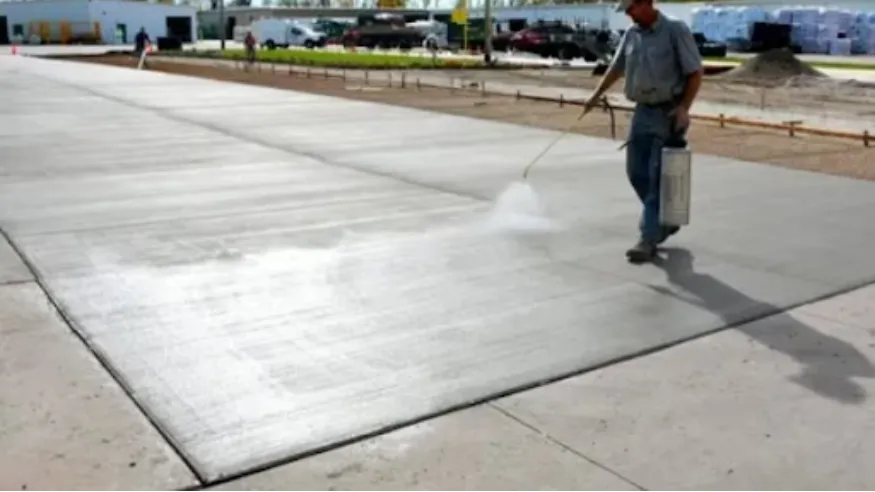
Instead of continuous water spraying, these compounds create a thin membrane over the concrete surface after application. This membrane reduces moisture loss while allowing the hydration process to continue naturally.
The result is more uniform curing across large slabs, pavements, industrial floors, and structural elements.
Where They Are Commonly Used
Water based curing compounds are suitable for:
- Highways
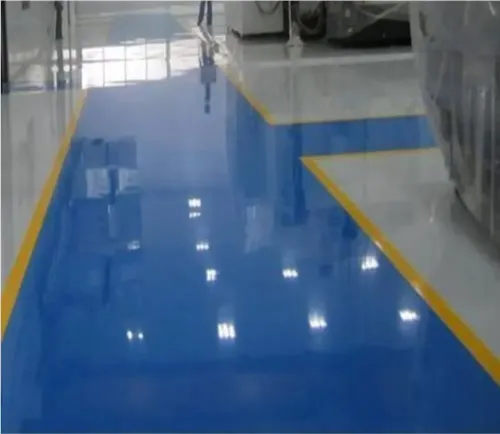
- Industrial flooring
- Factory buildings
- Warehouses
- Residential projects
- Commercial complexes
- Concrete pavements
- Infrastructure developments
They are particularly useful where water availability is limited or where manual curing is difficult to maintain.
Factors to Consider Before Choosing a Curing Compound
Several project-specific factors influence product selection.
Type of Concrete Surface
Horizontal slabs, vertical structures, and exposed architectural concrete may require different curing approaches.
Project Size
Large construction sites often benefit from membrane curing because it reduces labour and simplifies application.
Environmental Conditions
High temperatures and strong winds increase moisture evaporation, making effective curing even more important.
Future Surface Treatments
If flooring, coatings, or additional finishes will be applied later, compatibility with subsequent materials should be evaluated.
Common Mistakes During Curing
Even quality curing compounds may not perform as expected if basic practices are ignored.
Avoid these common errors:
- Delaying application after finishing
- Applying uneven coverage
- Using insufficient material
- Neglecting surface preparation
- Choosing products without considering future finishes
Following manufacturer recommendations helps maximise curing efficiency.
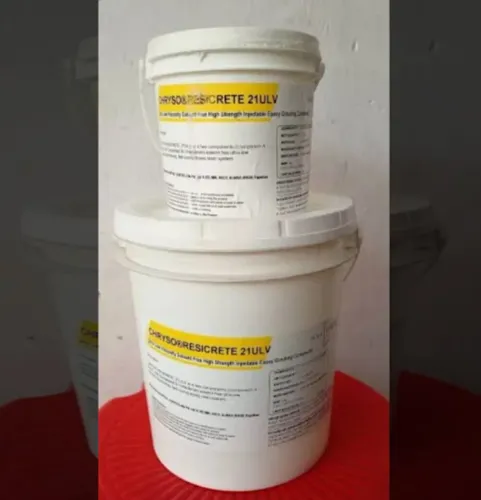
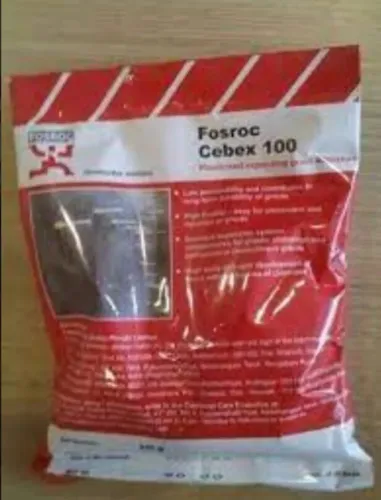
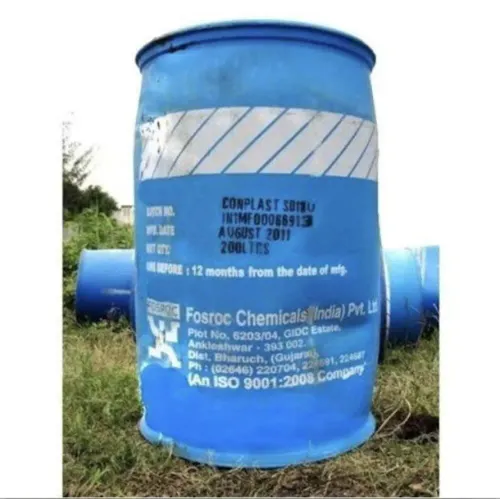
Construction professionals across Gujarat often work with suppliers capable of recommending products based on project requirements rather than using a standard approach for every application. Dolfin Projects offers construction chemical solutions that support concrete durability and consistent curing performance across residential, commercial, and industrial developments.
Selecting the right Water Based Concrete Curing Compound contributes to stronger, more durable concrete while improving construction efficiency. Understanding how curing influences long-term structural performance allows project teams to make better decisions from the very beginning of every project.
Keywords