A pump primer must wet and lubricate the entire delivery line without contaminating the structural concrete that follows. By the end, you will know how to prepare the slurry, estimate the quantity, check compatibility, control the first discharge, and assess the practical support a supplier should provide before the pour.
Key takeaways
- Mix the pouch with the manufacturer’s specified water volume.
- Estimate primer for the full line, then plan where the first discharge goes.
- Check pump, pipe diameter, concrete mix, and site access before pumping.
- Use the first discharge to confirm lubrication before placing structural concrete.
What the slurry does before concrete enters the line
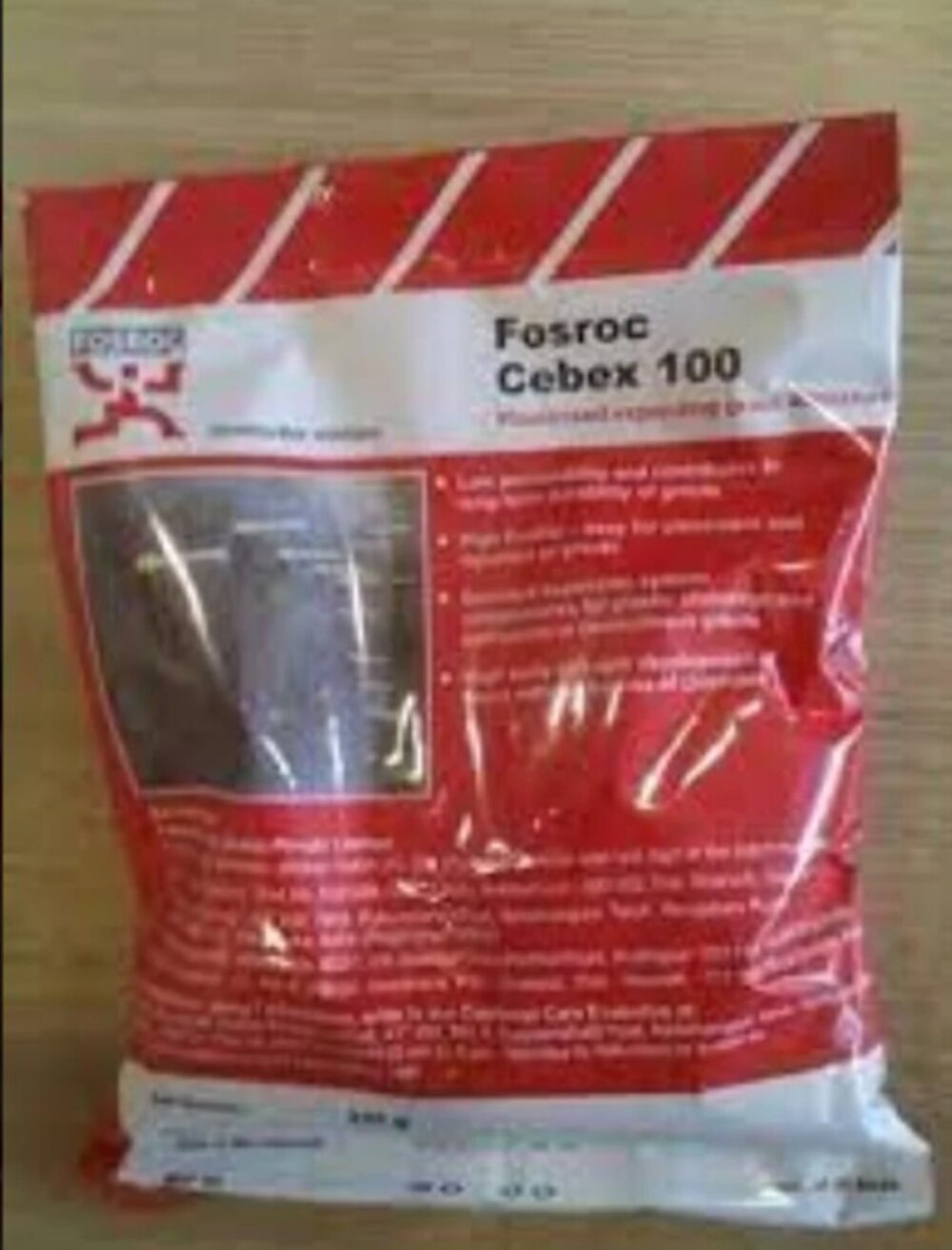
A concrete pump slurry pouch supplies a premeasured cementitious concrete pump primer, not a replacement for structural concrete. Mixed with the specified water volume, it coats the pipe walls before the concrete arrives, reducing friction and supporting reliable pump line lubrication during startup.
- Assemble a clean line with compatible couplings, secure elbows and reducers, and no hardened concrete or leaking joints. A pouch cannot compensate for residue that narrows the passage or a coupling that lets cement paste escape.
- Mix the pouch contents with the manufacturer’s stated water range using a clean, measured container or batching system. Extra water weakens the solids concentration, increases bleeding or separation, and makes the slurry-to-concrete transition unpredictable.
- Pump the primer through the hopper, delivery pipe, bends and placing hose until the line has been wetted throughout. Do not treat added primer as a solution for a blockage or concrete that has started to set.
- Set the quantity from the pipeline’s internal diameter, length, vertical rise, bends and condition; “one pouch per pump” is not a universal rule for all concrete pumping operations.
The crew should verify a continuous, uniform slurry discharge at the hose outlet before admitting concrete. Check for leaks, surging, dry sections or blockage, and divert the initial primer-rich discharge away from the finished placement unless the approved procedure accepts it.
How to mix and move the primer through the pump line
Use the water-to-pouch ratio printed on the product pack, not a rough bucket measure. Extra water makes the primer easier to pump but weakens its lubricating solids and increases contamination at the concrete transition.
1. Confirm that the pump, hopper, pipeline, reducers, elbows, couplings, and delivery hose are clean, correctly connected, and free of standing hardened material. Place the pump where the line can discharge safely, and keep the first primer and concrete transition out of the structural pour unless the approved method statement allows otherwise.
2. Measure the specified water volume into a clean mixing drum. Add the pouch contents gradually while a paddle mixer runs; do not dump dry powder into a full, unmixed mass. Follow the slurry pouch mixing instructions for mixing time and speed, then check that no dry pockets or heavy sediment remain.
3. Pour the fully mixed primer into the concrete pump hopper without adding unmeasured water. Start the pump at a controlled rate and move the slurry through the entire line, including every bend, reducer, vertical rise, and hose, until the discharge is continuous and the pipe walls are coated.
This is the delivery pipeline priming stage.
4. Start concrete only after the primer has reached the discharge end. Divert the initial primer-rich concrete until its appearance and consistency match the approved transition plan; do not send it into a critical element by assumption.
If flow stops, do not add more primer to force an obstruction through—depressurise and clear the line under the pump manufacturer’s procedure.
How to estimate slurry quantity and control the first discharge
A one-pouch-per-pump rule ignores the line’s actual internal volume. Estimate primer demand from the pipeline diameter and pump line length, then adjust the plan for vertical rise and bends, which increase friction and make startup more demanding.
Use the pouch manufacturer’s water and dosage instructions, confirmed by a project-specific trial; a clean, leak-free, pre-wetted line needs less margin than one containing residue or dry surfaces.
1. Measure the internal diameter and total length of the assembled pipeline, including the delivery hose. Calculate the line volume as π × diameter² ÷ 4 × length. Treat this as a planning reference, not an automatic slurry dosage.
2. Add the layout information to the trial: vertical rise, bend count, reducer sections, hose length, pipe condition, and concrete mix. A longer or more restrictive route can require more primer for complete wall wetting and stable startup.
3. Pump the mixed slurry through the full line before admitting concrete. Divert the initial discharge because it contains primer and can have a different water-to-cement ratio and aggregate concentration.
4. Accept the transition into a critical placement only under the approved method statement, after the discharge becomes consistent with the specified concrete and shows no watery paste, excessive slurry, or segregation.
5. Divert the transition to an approved noncritical location when it is usable but not approved for structural placement. Discard it when contaminated, segregated, or lacking an authorised destination. Never send uncontrolled transition material into a critical pour.
How to check pump, pipe, concrete, and site compatibility
Approve the primer only after checking the actual pump, pipeline, concrete mix design, and placing conditions. A primer cannot rescue poor pumpability or a line containing hardened residue.
- Confirm pump capacity, hopper agitation, gate operation, delivery pressure, pipe diameter, line length, bends, vertical rise, and hose arrangement.
- Inspect every coupling and gasket for leaks, remove old concrete, and reject damaged sections that allow cement paste to escape.
- Review aggregate size and grading, paste and fines volume, slump retention, fibers, lightweight aggregate, supplementary cementitious materials, and admixture doses. Check high-range water reducer compatibility instead of judging the mix by slump alone.
- Record air temperature, concrete temperature, expected delivery rate, access for diverting the first discharge, and a safe area for contaminated material.
| Check | Warning sign | Trial decision |
|---|---|---|
| Pump and line | Pressure rises sharply or slurry leaks at a coupling | Repair, clean, or reconfigure before pouring |
| Concrete mix | Segregation, harsh discharge, poor cohesion, or unstable slump | Adjust the approved mix; do not blame the primer |
| Admixtures and site | Unpredictable transition, delayed placement, or hot-weather slump loss | Run a controlled trial under matching conditions |
Use the actual pouch, water dosage, pump, line, and concrete batch in the trial. Pump the primer through the full route, introduce concrete at the planned rate, and monitor pressure, flow, segregation, and the transition volume. The trial exposes pump line blockage risks before structural concrete is committed.
Record the accepted start-up pressure and the amount diverted so the crew has a repeatable limit for the pour.
What a useful supplier contributes before and during the pour
A concrete pump slurry pouch supplier needs the line and pour details before recommending quantity or delivery timing. Give the pump model, pipeline internal diameter and length, vertical rise, reducer and elbow count, hose length, concrete grade, slump, aggregate size, temperature, planned discharge rate, and pour start time.
One pouch per pump is not a universal rule.
Ask for these controls before the truck arrives:
- Defined water-to-pouch ratio, mixing time, sequence, and acceptable water range
- Compatibility review for the pump, line configuration, concrete mix, and planned trial
- Batch number, manufacture date, expiry date, shelf-life, storage temperature, and safety data
- Delivery confirmation that covers pouch quantity, site access, and the ready-mix arrival window
- Application support during priming, including the discharge point and the transition method for the first concrete
- Ready-mix coordination so concrete does not wait in the line after priming
Support becomes useful when it prevents a field improvisation. Dolfin Projects can use the supplied line and mix information to help separate the primer quantity decision from the packaging unit, then document the selected method.
| Service | What you provide or request | Control gained |
|---|---|---|
| Technical review | Line dimensions, bends, reducer, concrete temperature and mix | Lower blockage risk at restrictions |
| Traceability | Batch number, expiry, storage record and delivery lot | Defensible batch traceability |
| Application support | Trial result, mixing record and first-discharge decision | Controlled primer-to-concrete transition |
| Delivery coordination | Pour time, quantity and ready-mix schedule | Less waiting and line stiffening |
Related product
 | Concrete Admixture Supplier Concrete Strength Grade M20 Usage/Application Industrial Color Grey Grade Standard Industrial Grade Packaging Type Bag Packaging Size 5 kg... View product → |
Frequently asked questions
What does concrete pump slurry do before concrete enters the line?
It coats the inside of the delivery pipe, reducing friction and lubricating the line during pump startup. It is not structural concrete.
How should you mix and move the primer through the pump line?
Add the pouch to the specified water volume, mix until uniform, and pump the primer through the complete delivery line before concrete enters.
How do you estimate slurry quantity for a concrete pump line?
Estimate the internal volume of the pipeline from its length and diameter, then follow the pouch supplier’s coverage or dosage instructions and allow for the planned first discharge.
What should you check before using a concrete pump slurry pouch?
Confirm pump and pipe condition, line diameter and length, concrete workability, primer instructions, water access, discharge control, and safe site arrangements.